
Top Questions About Hajj and Umrah Answered

Hajj and Umrah are two of the most significant pilgrimages in Islam. Every year, millions of Muslims travel to Mecca to perform these sacred rituals. However, many people have questions about what these pilgrimages entail, their significance, and how to prepare for them. In this blog post, we will answer some of the most common questions about Hajj and Umrah, providing you with the information you need to embark on this spiritual journey.
What is Hajj?
Hajj is one of the Five Pillars of Islam, making it a fundamental act of worship for Muslims. It is an annual pilgrimage to the holy city of Mecca in Saudi Arabia. Hajj takes place during the Islamic month of Dhu al-Hijjah and is obligatory for every Muslim who is physically and financially able to undertake it at least once in their lifetime.
Hajj consists of several rituals performed over a period of five to six days. These rituals include:
Ihram: Entering a state of spiritual purity and wearing specific garments.
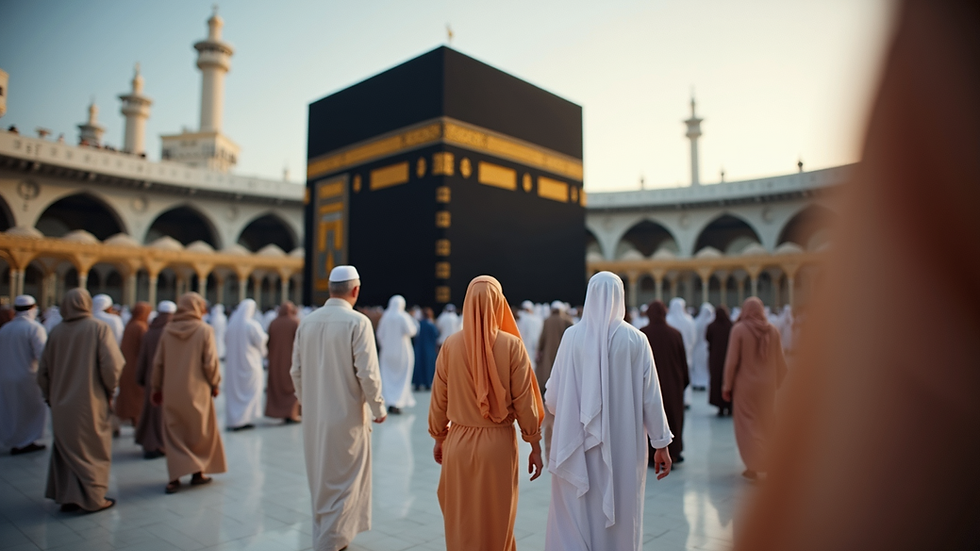
Tawaf: Circling the Kaaba seven times in a counter-clockwise direction.
Sa'i: Walking seven times between the hills of Safa and Marwah.
Standing at Arafat: Spending the afternoon in prayer and reflection.
Muzdalifah: Collecting pebbles for the next ritual.
Ramy al-Jamarat: Throwing stones at three pillars representing Satan.
Eid al-Adha: Sacrificing an animal to commemorate the willingness of Ibrahim to sacrifice his son.
Each of these rituals holds deep spiritual significance and is a way for Muslims to seek forgiveness and demonstrate their devotion to Allah.
What is Umrah?
Umrah is often referred to as the "lesser pilgrimage" compared to Hajj. Unlike Hajj, Umrah is not obligatory and can be performed at any time of the year. It consists of fewer rituals and is generally shorter in duration.
The main rituals of Umrah include:
Ihram: Similar to Hajj, pilgrims enter a state of spiritual purity and wear specific garments.
Tawaf: Circling the Kaaba seven times.
Sa'i: Walking between Safa and Marwah seven times.
While Umrah is not a substitute for Hajj, it is still a highly recommended act of worship that brings immense spiritual rewards.
What is the difference between Hajj and Umrah?
The primary differences between Hajj and Umrah include:
Obligation: Hajj is mandatory for all Muslims who meet the criteria, while Umrah is optional.
Timing: Hajj has specific dates during the Islamic month of Dhu al-Hijjah, whereas Umrah can be performed at any time.
Rituals: Hajj involves more rituals and is more complex than Umrah.
Understanding these differences can help you decide which pilgrimage to undertake and when.
How should I prepare for Hajj or Umrah?
Preparation for Hajj or Umrah is crucial for a smooth and fulfilling experience. Here are some tips to help you get ready:
Research: Learn about the rituals and significance of Hajj and Umrah. Familiarize yourself with the steps involved.
Health Check: Consult with your doctor to ensure you are fit for travel and the physical demands of the pilgrimage.
Travel Arrangements: Book your flights and accommodations well in advance. Consider joining a reputable travel agency that specializes in Hajj and Umrah packages.
Documentation: Ensure your passport and visa are valid. Obtain any necessary vaccinations as required by Saudi authorities.
Packing: Pack light and include essential items such as Ihram garments, comfortable shoes, and personal hygiene products.
Financial Planning: Budget for your trip, including travel, accommodation, food, and any additional expenses.
Spiritual Preparation: Engage in prayer and reflection. Set your intentions for the pilgrimage and seek forgiveness for past mistakes.
By preparing adequately, you can focus on the spiritual aspects of your journey.
What should I expect during Hajj?
Hajj is a unique experience that can be both physically and emotionally demanding. Here are some things to expect:
Crowds: Millions of pilgrims gather in Mecca, so be prepared for large crowds. Patience and understanding are essential.
Heat: The weather can be extremely hot, especially during the summer months. Stay hydrated and wear appropriate clothing.
Physical Activity: Expect to walk long distances and stand for extended periods. Comfortable footwear is a must.
Emotional Experience: Hajj is a deeply spiritual journey. Many pilgrims report feelings of peace, joy, and connection to their faith.
Community: You will meet people from diverse backgrounds, all united in their devotion to Allah. Embrace the sense of community and shared purpose.
What should I expect during Umrah?
Umrah is generally less intense than Hajj, but it still offers a profound spiritual experience. Here is what to expect:
Fewer Crowds: While there may still be many pilgrims, Umrah is typically less crowded than Hajj.
Shorter Duration: The rituals can be completed in a few hours, making it a more flexible option for those with time constraints.
Spiritual Reflection: Use the time to reflect on your life, seek forgiveness, and strengthen your relationship with Allah.
Accessibility: Many facilities are available for pilgrims, including transportation and accommodations.
Can women perform Hajj and Umrah?
Yes, women can and do perform Hajj and Umrah. However, there are specific guidelines they should follow:
Mahram Requirement: Women are required to travel with a male guardian (mahram) for both Hajj and Umrah. This rule is in place for their safety and security.
Dress Code: Women should dress modestly and wear the Ihram garments as prescribed.
Participation: Women can participate fully in all rituals, including Tawaf and Sa'i.
Women are encouraged to undertake these pilgrimages, and many find them to be transformative experiences.
What are the costs associated with Hajj and Umrah?
The costs of Hajj and Umrah can vary widely based on several factors, including:
Travel Packages: Prices can range from budget to luxury, depending on the services included.
Accommodation: Proximity to the holy sites can affect prices. Staying closer to the Kaaba will generally be more expensive.
Duration: The length of your stay will also impact costs. Hajj typically requires a longer commitment than Umrah.
Additional Expenses: Consider costs for food, transportation, and souvenirs.
It is essential to budget carefully and choose a package that fits your financial situation.
How can I make the most of my pilgrimage?
To maximize your experience during Hajj or Umrah, consider the following tips:
Stay Focused: Keep your intentions clear and focus on your spiritual goals.
Engage in Prayer: Take time for personal prayers and reflection. The atmosphere in Mecca is conducive to spiritual growth.
Be Patient: Crowds and long waits can be frustrating. Practice patience and maintain a positive attitude.
Connect with Others: Share your experiences with fellow pilgrims. Building connections can enhance your journey.
Document Your Journey: Keep a journal or take photos (where appropriate) to remember your experiences and reflections.
By following these tips, you can create lasting memories and deepen your faith.
Final Thoughts on Your Spiritual Journey
Embarking on Hajj or Umrah is a life-changing experience that can bring you closer to your faith. Whether you choose to undertake the obligatory Hajj or the optional Umrah, both journeys offer unique opportunities for spiritual growth and reflection.
As you prepare for your pilgrimage, remember to stay focused on your intentions and embrace the experience fully. With the right preparation and mindset, your journey can be a profound and transformative chapter in your life.

May your pilgrimage be filled with blessings and peace.


Comments