
Understanding Hajj: A Complete Guide for Pilgrims
- Azhak Abad
- Aug 30, 2025
- 5 min read

Hajj is one of the most significant events in the Islamic calendar. Every year, millions of Muslims from around the world gather in Mecca, Saudi Arabia, to perform this sacred pilgrimage. For many, Hajj is a once-in-a-lifetime journey that holds deep spiritual meaning. In this guide, we will explore the essential aspects of Hajj, including its significance, rituals, and practical tips for pilgrims.
What is Hajj?
Hajj is the fifth pillar of Islam, representing a mandatory act of worship for all Muslims who are physically and financially able to undertake the journey. It occurs during the Islamic month of Dhu al-Hijjah and lasts for five days. The pilgrimage is a time for reflection, prayer, and seeking forgiveness.
The word "Hajj" means "to intend a journey." This journey is not just physical; it is also spiritual. Pilgrims seek to purify their souls and strengthen their faith.
The Significance of Hajj
Hajj is a profound experience that symbolizes unity, humility, and devotion. Here are some key points about its significance:
Unity of Muslims: Hajj brings together Muslims from diverse backgrounds, cultures, and nationalities. This unity reflects the idea that all Muslims are equal in the eyes of Allah.
Spiritual Cleansing: The pilgrimage is an opportunity for Muslims to seek forgiveness for their sins. It is believed that those who complete Hajj with sincerity will return free of sin.
Commemoration of Prophets: Hajj commemorates the actions of the Prophet Ibrahim (Abraham) and his family. Pilgrims reenact key events from their lives, such as the search for water by Hagar and the sacrifice of Ibrahim.
The Rituals of Hajj
Hajj consists of several rituals that pilgrims must perform. Each ritual has its own significance and meaning. Here are the main rituals:
1. Ihram
Before entering Mecca, pilgrims enter a state of Ihram. This involves wearing simple white garments, which symbolize purity and equality. Men wear two white cloths, while women wear modest clothing.
2. Tawaf
Upon arriving at the Kaaba, pilgrims perform Tawaf, which involves circling the Kaaba seven times in a counterclockwise direction. This act symbolizes the unity of believers in the worship of the One God.
3. Sa'i
After Tawaf, pilgrims perform Sa'i, which involves walking seven times between the hills of Safa and Marwah. This ritual commemorates Hagar's search for water for her son, Isma'il.
4. Standing at Arafat
One of the most important rituals is standing at Arafat on the 9th day of Dhu al-Hijjah. Pilgrims spend the day in prayer and reflection, seeking forgiveness and mercy from Allah.
5. Muzdalifah
After Arafat, pilgrims travel to Muzdalifah, where they collect pebbles for the next ritual. They also spend the night under the open sky, reflecting on their journey.
6. Rami al-Jamarat
On the 10th day of Dhu al-Hijjah, pilgrims perform Rami al-Jamarat, which involves throwing pebbles at three pillars that represent the devil. This act symbolizes the rejection of evil and temptation.
7. Eid al-Adha
Following Rami al-Jamarat, pilgrims celebrate Eid al-Adha by sacrificing an animal, usually a sheep or goat. This act commemorates Ibrahim's willingness to sacrifice his son in obedience to God.
8. Tawaf al-Ifadah
After the rituals of Eid, pilgrims return to the Kaaba for Tawaf al-Ifadah, which is another circling of the Kaaba. This is a significant part of the pilgrimage.
9. Tawaf al-Wada
Before leaving Mecca, pilgrims perform Tawaf al-Wada, or the farewell Tawaf. This final act symbolizes the end of the pilgrimage and the hope of returning in the future.
Preparing for Hajj
Preparation is key to a successful Hajj experience. Here are some practical tips for pilgrims:
1. Physical Preparation
Hajj involves a lot of walking and physical activity. It is essential to be in good health. Consider engaging in regular exercise to build stamina.
2. Mental Preparation
Hajj can be overwhelming due to the large crowds and intense emotions. Prepare yourself mentally by reading about the rituals and understanding their significance.
3. Documentation
Ensure that you have all necessary documents, including your passport, visa, and vaccination records. Keep copies of these documents in a safe place.
4. Packing Essentials
Pack light but include essential items such as:
Comfortable shoes
Lightweight clothing
Personal hygiene products
A small first aid kit
Prayer mat
5. Financial Planning
Plan your budget for the trip. Consider the costs of accommodation, food, and transportation. It is advisable to have some cash on hand, as not all places accept credit cards.
The Journey to Mecca
Traveling to Mecca can be an adventure in itself. Here are some tips for a smooth journey:
1. Booking Flights
Book your flights well in advance, as prices can rise significantly as the pilgrimage date approaches. Look for direct flights to Jeddah, the nearest airport to Mecca.
2. Accommodation
Choose accommodation that is close to the Haram (the sacred mosque). This will make it easier to access the Kaaba and participate in the rituals.
3. Transportation
Familiarize yourself with local transportation options. Buses and taxis are available, but they can be crowded during Hajj. Consider walking when possible.
Staying Safe During Hajj
Safety is a top priority during Hajj. Here are some tips to ensure your well-being:
1. Stay Hydrated
The heat in Mecca can be intense, especially during the summer months. Drink plenty of water to stay hydrated.
2. Follow Guidelines
Listen to the authorities and follow their guidelines. This includes respecting crowd control measures and staying within designated areas.
3. Keep Valuables Secure
Keep your belongings secure and avoid carrying large amounts of cash. Use a money belt or a secure bag to protect your valuables.
4. Know Emergency Contacts
Familiarize yourself with emergency contacts, including local hospitals and your country's embassy. Keep a list of important phone numbers handy.
Embracing the Experience
Hajj is not just about completing rituals; it is about embracing the experience. Here are some ways to make the most of your pilgrimage:
1. Connect with Others
Meet fellow pilgrims and share your experiences. This can enhance your journey and create lasting memories.
2. Reflect and Pray
Take time for personal reflection and prayer. Use this opportunity to strengthen your relationship with Allah.
3. Document Your Journey
Consider keeping a journal or taking photos (where permitted) to document your experiences. This can help you remember the journey and share it with others.
The Spiritual Impact of Hajj
The impact of Hajj extends far beyond the pilgrimage itself. Many pilgrims return home with a renewed sense of purpose and faith. Here are some common spiritual benefits:
Increased Faith: The experience often deepens one's faith and commitment to Islam.
Sense of Community: Pilgrims often feel a strong sense of belonging to the global Muslim community.
Personal Transformation: Many report feeling transformed by the experience, leading to positive changes in their lives.
Final Thoughts
Hajj is a journey of a lifetime, filled with spiritual significance and personal growth. It is an opportunity to seek forgiveness, connect with fellow Muslims, and strengthen one's faith. As you prepare for this sacred pilgrimage, remember to approach it with an open heart and mind.
May your journey be blessed, and may you return home with a renewed spirit and a deeper connection to your faith.
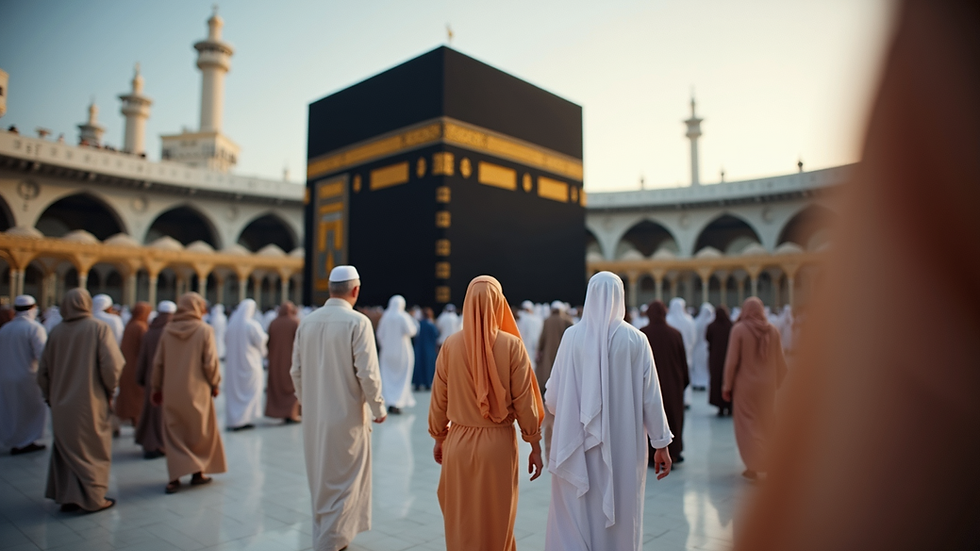
As you embark on this incredible journey, may you find peace, purpose, and profound spiritual fulfillment.


Comments